
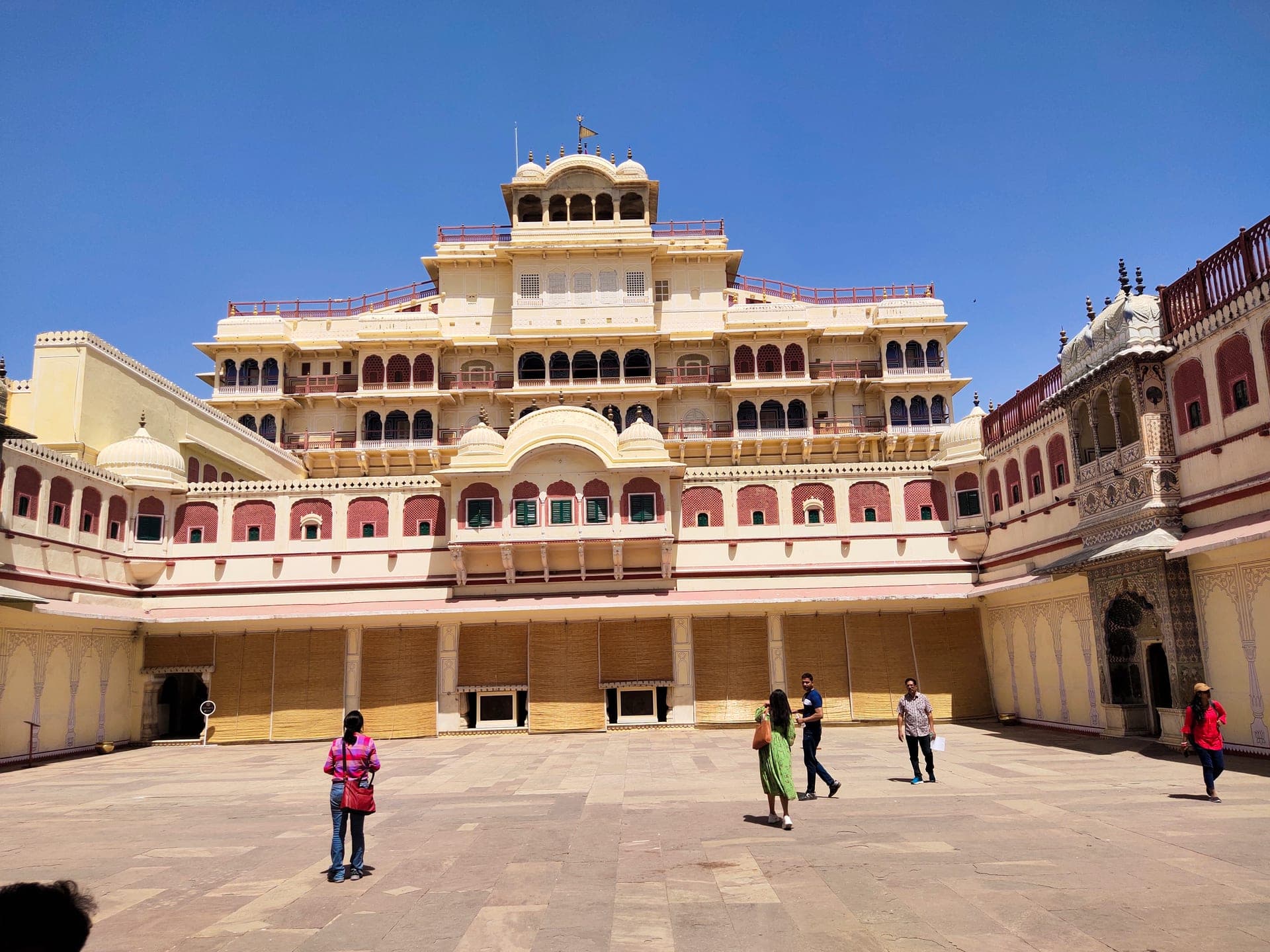

Heritage Conservation Covenants & Monument Protection Rules
“Executing imperial grandeur while preserving 500-year-old architectural treasures.”
Regulatory Framework & Risk Mitigation
Centuries-old living palaces and protected royal courtyards maintain stringent conservation covenants overseen by royal family trusts and the Archaeological Survey of India (ASI). Respecting these covenants is essential to avoid severe penalties and cancelled event permits.
Statutory Regulations & Governing Authorities
Strict Zero Structural Penetration (No Drilling/Nailing)
Legal Implication: Drilling, driving stakes, or anchoring bolts into historical sandstone, marble, or lime-plaster is strictly illegal.
Custom water-ballast and rubber-padded steel footplates that hold multi-ton trussing firmly in place without touching fragile stone surfaces.
Natural Dye & Turmeric Staining Restrictions
Legal Implication: Haldi (turmeric) paste and synthetic colors permanently stain porous antique white marble and sandstone.
Dedicated elevated wooden platforms with waterproof underlays for all Haldi and Mehendi rituals in heritage courtyards.
On-Ground Production Execution Protocols
- Rubber-Padded Truss Baselines: High-density neoprene padding placed under all scaffolding and metal uprights.
- Smoke-Free Havan Engineering: Specially designed draft-inducing chimneys for Vedic holy fires ensuring zero soot residue on carved palace ceilings.
- Non-Adhesive Cable Management: All electrical cables secured using specialized cloth gaffer tape that leaves zero adhesive residue on antique floors.
- Comprehensive Fire Retardant Certification: All fabrics, drapes, and wooden structures treated with certified fire-retardant chemical sprays.
Strict compliance prevents post-wedding forfeiture of venue security deposits (which typically range from ₹10L to ₹25L per palace).
During an elaborate royal reception inside City Palace Jaipur's historic Manek Chowk, Pravariq erected a 12-ton lighting canopy entirely on self-standing ballast towers, returning the monument to the Royal Trust in pristine original condition.
Frequently Asked Questions
Why do living palaces require such large refundable security deposits?
Palaces charge ₹10L to ₹25L security deposits to insure against damage to priceless antique jalis, frescoes, and marble work. Pravariq's zero-penetration engineering guarantees 100% deposit refunds for our clients.
Ensure Zero Operational Surprise
Review pre-production engineering drawings, acoustic mapping, and government permits for your venue directly with Sameer Chaturvedi.